
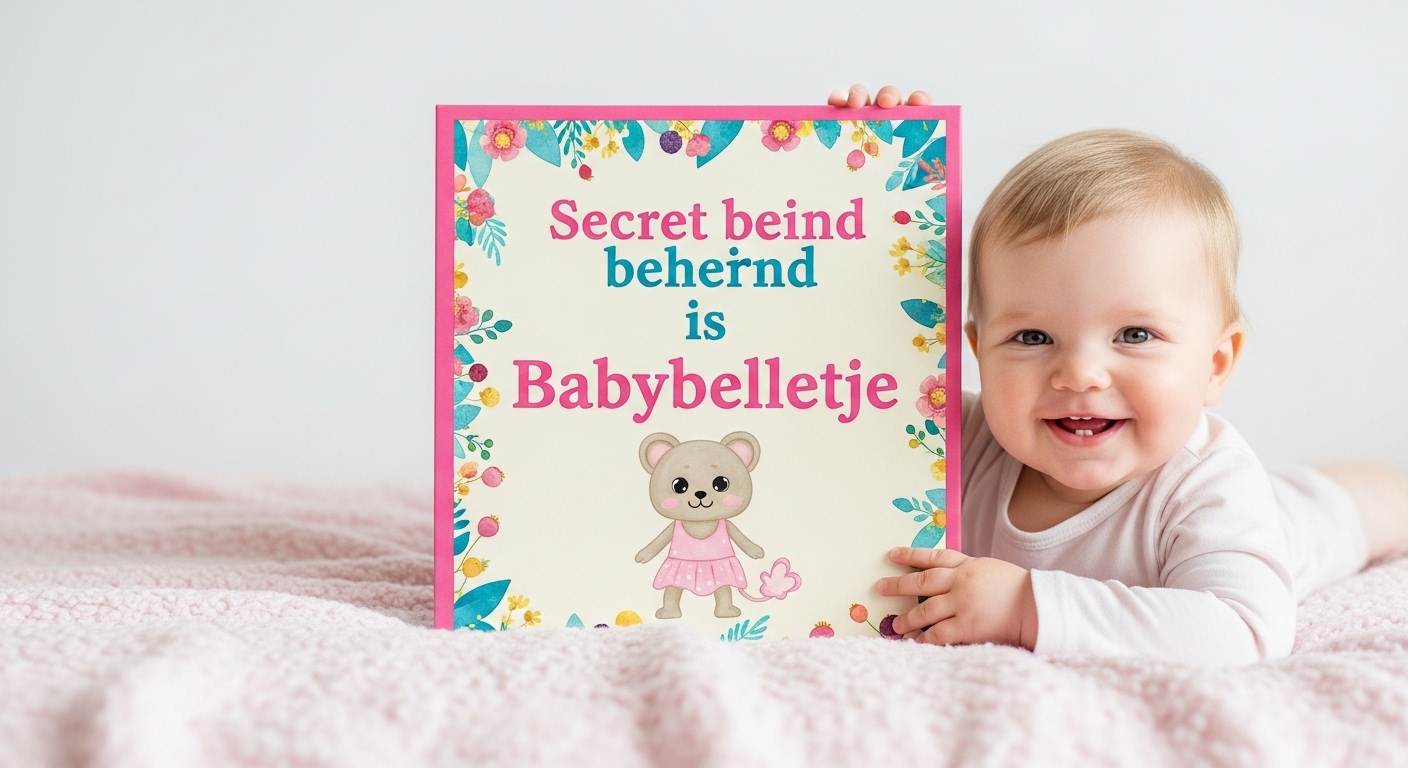
Language is full of charm, but every once in a while, a word comes along that feels instantly delightful. Babybelletje is one such term. If you’ve recently stumbled upon “Babybelletje,” you’re not alone—this playful Dutch slang is quietly gaining attention beyond its native roots.
But what exactly does Babybelletje mean, and why is it resonating with people across cultures? Let’s unpack the story behind this cute, expressive word and explore how it reflects deeper trends in language, emotion, and modern communication.
What Does Babybelletje Mean?
At its core, Babybelletje is a diminutive Dutch expression. The Dutch language is famous for adding suffixes like tje” or “etje” to make words feel smaller, softer, or more affectionate.
The term can loosely be broken down into two parts:
- Baby – already a universally recognized word associated with cuteness, innocence, or affection
- belletje – a diminutive form that can imply something tiny, endearing, or sweet
Put together, Babybelletje carries a tone that feels playful, affectionate, and slightly whimsical. It’s not a rigid dictionary term—it’s more of a vibe, a feeling wrapped into a word.
The Rise of Babybelletje in Modern Language
Social Media and Viral Slang
Like many modern slang terms, Babybelletje owes part of its growing popularity to social media platforms. Short-form content, memes, and messaging apps thrive on words that are expressive yet easy to remember.
Users often gravitate toward:
- Words that sound cute or musical
- Terms that feel unique but still easy to pronounce
- Expressions that carry emotional nuance
Babybelletje checks all these boxes. It has a rhythmic sound and a gentle tone that makes it instantly appealing, especially in captions, comments, and casual conversations.
A Global Appetite for “Cute” Language
Across cultures, there’s a noticeable trend toward softer, more affectionate language. From Japanese “kawaii” culture to Korean “aegyo,” people increasingly embrace words that convey warmth and charm.
Babybelletje fits neatly into this global movement. Even non-Dutch speakers find it easy to adopt because:
- It sounds friendly and approachable
- It doesn’t require strict grammatical understanding
- It conveys emotion more than literal meaning
Why Babybelletje Feels So Appealing
The Psychology of Cute Words
There’s real psychology behind why words like Babybelletje resonate. Linguists and behavioral researchers have long observed that certain sounds trigger emotional responses.
Soft consonants and repeating syllables often feel:
- Gentle
- Comforting
- Playful
Babybelletje combines these elements beautifully. The repetition and softness create a word that feels almost like a verbal hug.
Emotional Connection in Communication
In a world dominated by digital interaction, people are constantly searching for ways to express emotion more effectively. Emojis help, but words still carry unique power.
Using a term like Babybelletje can:
- Add warmth to a message
- Make communication feel more personal
- Create a sense of intimacy or friendliness
It’s not just about what the word means—it’s about how it makes people feel.
Real-World Uses of Babybelletje
Everyday Conversations
In informal settings, Babybelletje can be used as a nickname or term of endearment. For example:
- Addressing a close friend or partner
- Referring to something small and adorable
- Adding a playful tone to a message
It’s similar to how English speakers might use words like “cutie” or “sweetie,” but with a distinct Dutch flavor.
Branding and Marketing Potential
Interestingly, words like Babybelletje also have strong branding potential. Businesses today are constantly searching for names that feel:
- Memorable
- Emotionally engaging
- Unique yet accessible
A term like this can work well for:
- Lifestyle brands
- Baby products
- Creative or artistic platforms
Its charm lies in its ability to stand out without feeling forced.
How Babybelletje Compares to Other Slang
To better understand its uniqueness, here’s a quick comparison with similar types of affectionate slang:
| Term | Origin | Tone | Usage Context |
|---|---|---|---|
| Babybelletje | Dutch | Cute, playful | Casual, affectionate speech |
| Cutie | English | Sweet, simple | Everyday informal use |
| Kawaii | Japanese | Adorable, trendy | Pop culture, fashion |
| Aegyo | Korean | Expressive, cute | Social media, entertainment |
This comparison highlights how Babybelletje fits into a broader global pattern while still maintaining its cultural uniqueness.
Tips for Using Babybelletje Naturally
Keep It Casual
Babybelletje works best in relaxed, informal communication. It might feel out of place in formal emails or professional documents.
Instead, use it in:
- Text messages
- Social media captions
- Friendly conversations
Match the Tone
Because the word carries a playful tone, it’s important to use it in the right context. It works well when:
- You want to sound affectionate
- You’re joking or being lighthearted
- You’re speaking with someone you know well
Don’t Overuse It
Like any trendy term, moderation is key. Using Babybelletje too frequently can make it lose its charm.
Think of it as a sprinkle rather than the main ingredient.
The Cultural Significance of Babybelletje
A Reflection of Dutch Language Creativity
Dutch is a language known for its flexibility and creativity, especially when it comes to forming diminutives. Words like Babybelletje showcase how speakers can play with structure to create something expressive and new.
This creativity reflects a broader cultural trait—an openness to blending humor, warmth, and practicality in communication.
Language as Identity
Slang terms often act as markers of identity. They signal belonging, creativity, and cultural awareness.
By adopting words like Babybelletje, speakers participate in a shared linguistic experience that transcends borders. It’s a reminder that language is constantly evolving—and that even the smallest words can carry big meaning.
The Future of Babybelletje
Will Babybelletje become a mainstream global term? It’s hard to say. Language trends can be unpredictable, often shaped by social media, influencers, and cultural shifts.
However, it already has several advantages:
- It’s easy to pronounce
- It carries universal emotional appeal
- It stands out without being complicated
These qualities give it strong potential to stick around—especially in digital spaces where creativity thrives.
Conclusion
Babybelletje is more than just a cute Dutch slang word—it’s a reflection of how language evolves to meet emotional needs. In a fast-paced, digital world, people crave warmth, personality, and connection in the way they communicate.
Whether you use it in a message, a caption, or simply appreciate its sound, reminds us that language doesn’t always have to be serious. Sometimes, the smallest words bring the biggest smiles.