
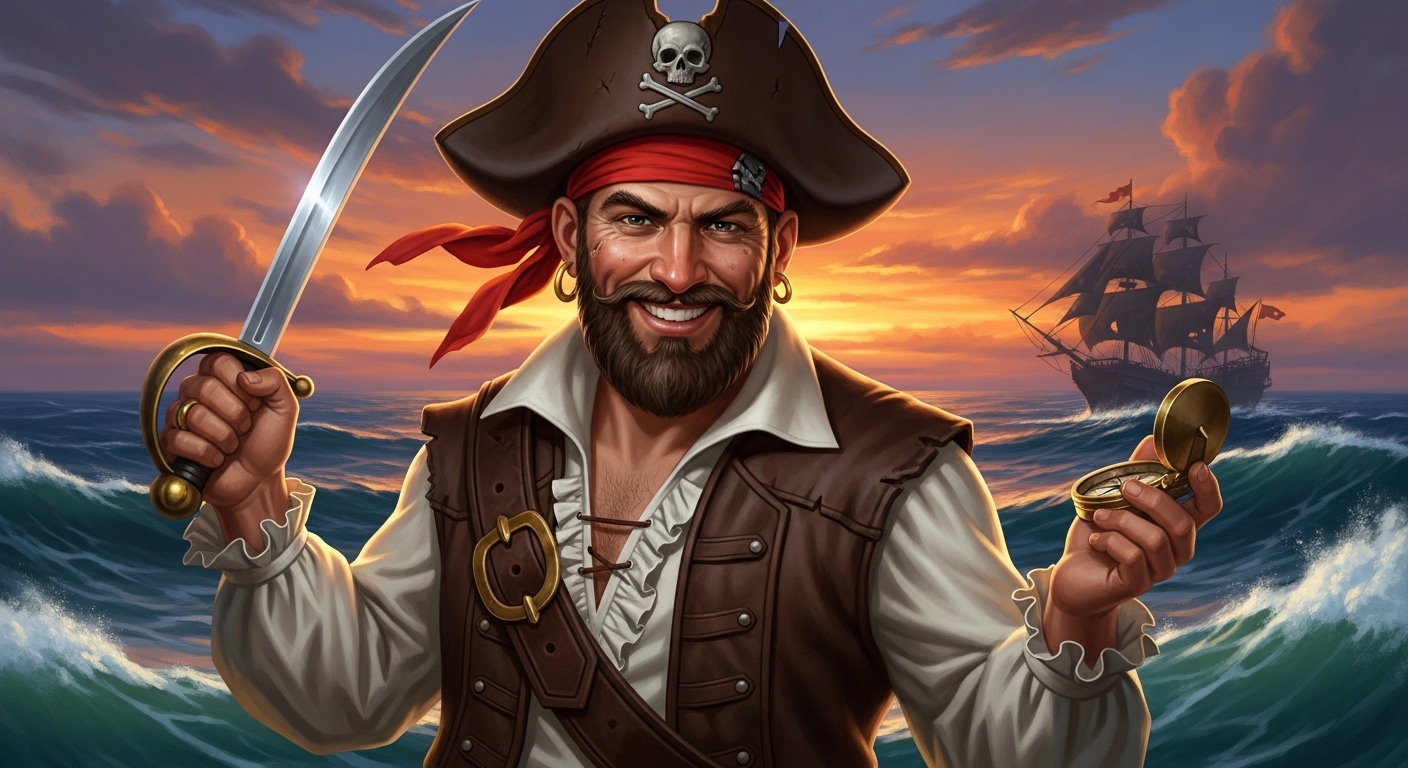
It started, as many internet phenomena do, with confusion. A grainy image, a bold name, and a caption that didn’t quite make sense—but somehow, it worked. Within days, timelines were flooded with references to “Jack Şoparov.” People were sharing edits, creating inside jokes, and treating the name as if it had always been part of internet culture.
Was he a real person? A fictional character? A cleverly constructed joke? The mystery surrounding Jack Şoparov is precisely what turned a simple meme into a viral sensation, especially among Turkish-speaking communities and meme enthusiasts worldwide. This article explores the origins, meaning, and cultural significance of Jack Şoparov, unpacking how a seemingly random name became one of the internet’s most talked-about meme identities.
The Origins of Jack Şoparov
Unlike traditional viral figures who emerge from movies, games, or celebrity culture, Jack Şoparov appears to have no clear origin story. There is no verified biography, no official account, and no historical record tied to the name.
The earliest traces of the meme seem to originate from obscure social media posts and meme forums where users began pairing the name “Jack Şoparov” with pirate-themed imagery. The combination of a Western first name and a distinctly Turkish-sounding surname created an unusual contrast that immediately caught attention. What made it even more intriguing was the lack of context. The meme didn’t explain itself. It simply existed, leaving users to interpret it in their own way.
Why the Pirate Theme Works
One of the defining elements of the Jack Şoparov meme is its strong association with pirate imagery. From eye patches to ships and treasure maps, the visuals are instantly recognizable and universally understood.
Pirates have long been symbols of rebellion, freedom, and adventure. By linking Jack Şoparov to this theme, meme creators tapped into a familiar narrative while adding an unexpected twist.
The humor lies in the mismatch. The name doesn’t traditionally align with the stereotypical image of a pirate, which creates a sense of absurdity. That absurdity is exactly what makes the meme memorable.
The Role of Mystery in Virality
In the digital age, clarity is often overrated. Some of the most successful memes thrive on confusion and curiosity, and Jack Şoparov is a perfect example.
People began asking questions:
Who is he?
Where did he come from?
Is there a deeper meaning?
Instead of answering these questions, the internet leaned into them. Users started creating fake backstories, humorous biographies, and exaggerated legends about Jack Şoparov. Each version added a new layer to the myth, making it more engaging. The absence of a “correct” answer allowed the meme to evolve organically. Everyone could participate, and no one could be wrong.
How Jack Şoparov Spread Across Platforms
The rise of Jack Şoparov highlights how quickly content can move across digital ecosystems. What may have started as a niche joke soon appeared on major platforms like Instagram, TikTok, and Twitter. Short-form video content played a significant role in amplifying the meme. Creators used dramatic music, cinematic edits, and exaggerated storytelling to present Jack Şoparov as a legendary pirate figure.
At the same time, image-based memes continued to circulate, often featuring humorous captions that played on the name’s uniqueness. The combination of visual storytelling and text-based humor made the meme highly adaptable, allowing it to thrive in different formats.
Cultural Context: Turkish Humor and Internet Trends
To fully understand the popularity of Jack Şoparov, it’s important to consider the cultural context in which it emerged. Turkish internet culture has a long history of embracing absurd and surreal humor. Memes often rely on unexpected combinations, linguistic quirks, and playful exaggeration.
The name “Şoparov” itself carries a certain comedic tone, especially when paired with the English name “Jack.” This blending of linguistic styles adds to the humor and makes the meme more relatable to a diverse audience. It also reflects a broader trend in global meme culture, where cross-cultural elements are combined to create something entirely new.
The Anatomy of the Jack Şoparov Meme
To better understand why this meme works, let’s break down its key components:
| Element | Description | Impact on Virality |
|---|---|---|
| Name | A mix of Western and Turkish influences | Creates curiosity and humor |
| Visual Theme | Pirate imagery (ships, costumes, dramatic scenes) | Instantly recognizable and engaging |
| Lack of Context | No clear origin or meaning | Encourages user participation |
| Adaptability | Works in images, videos, and text formats | Spreads easily across platforms |
| Community Involvement | Users create their own interpretations and stories | Sustains long-term engagement |
This combination makes Jack Şoparov more than just a meme—it becomes a collaborative storytelling experience.
From Joke to Digital Myth
As the meme gained traction, it began to take on a life of its own. What started as a simple joke evolved into a kind of digital folklore. Users began treating Jack Şoparov as if he were a real historical figure. They created fictional timelines, adventures, and even rivalries. Some portrayed him as a fearless pirate captain, while others turned him into a comedic anti-hero.
This transformation from meme to myth is a fascinating example of how internet culture blurs the line between reality and fiction. In a way, Jack Şoparov doesn’t need to be real. The idea of him is enough.
The Psychology Behind the Trend
The success of Jack Şoparov can also be explained through psychology. People are naturally drawn to content that is:
Unusual
Open to interpretation
Easy to share
The unusual name grabs attention. The lack of explanation invites curiosity. And the simple format makes it easy to remix and share. Additionally, being part of a viral trend gives users a sense of belonging. By engaging with the meme, they become part of a larger community.
Comparisons to Other Viral Meme Figures
Jack Şoparov is not the first mysterious figure to gain popularity online. Similar trends have appeared in the past, where fictional or semi-fictional characters become widely recognized through memes.
However, what sets Jack Şoparov apart is the speed and scale of its growth, as well as its strong cultural identity. While many memes fade quickly, those that encourage participation and storytelling tend to last longer. Jack Şoparov fits this pattern, suggesting it may have more staying power than typical viral content.
What This Means for Digital Culture
The rise of Jack Şoparov reflects a broader shift in how content is created and consumed online. Audiences are no longer passive viewers. They are active participants who shape the narrative. Memes are no longer just jokes—they are collaborative projects.
This trend has important implications for entrepreneurs, marketers, and content creators. It shows that authenticity and engagement often matter more than polished production.
Conclusion
He might be a pirate, a joke, a symbol, or simply a name that captured the internet’s imagination at the right moment. What matters is not his origin, but his impact.
Jack Şoparov represents the unpredictable nature of viral culture. He shows how creativity, community, and a touch of mystery can turn anything into a global phenomenon. As the internet continues to evolve, new figures like Jack Şoparov will undoubtedly emerge. But few will capture attention in quite the same way.