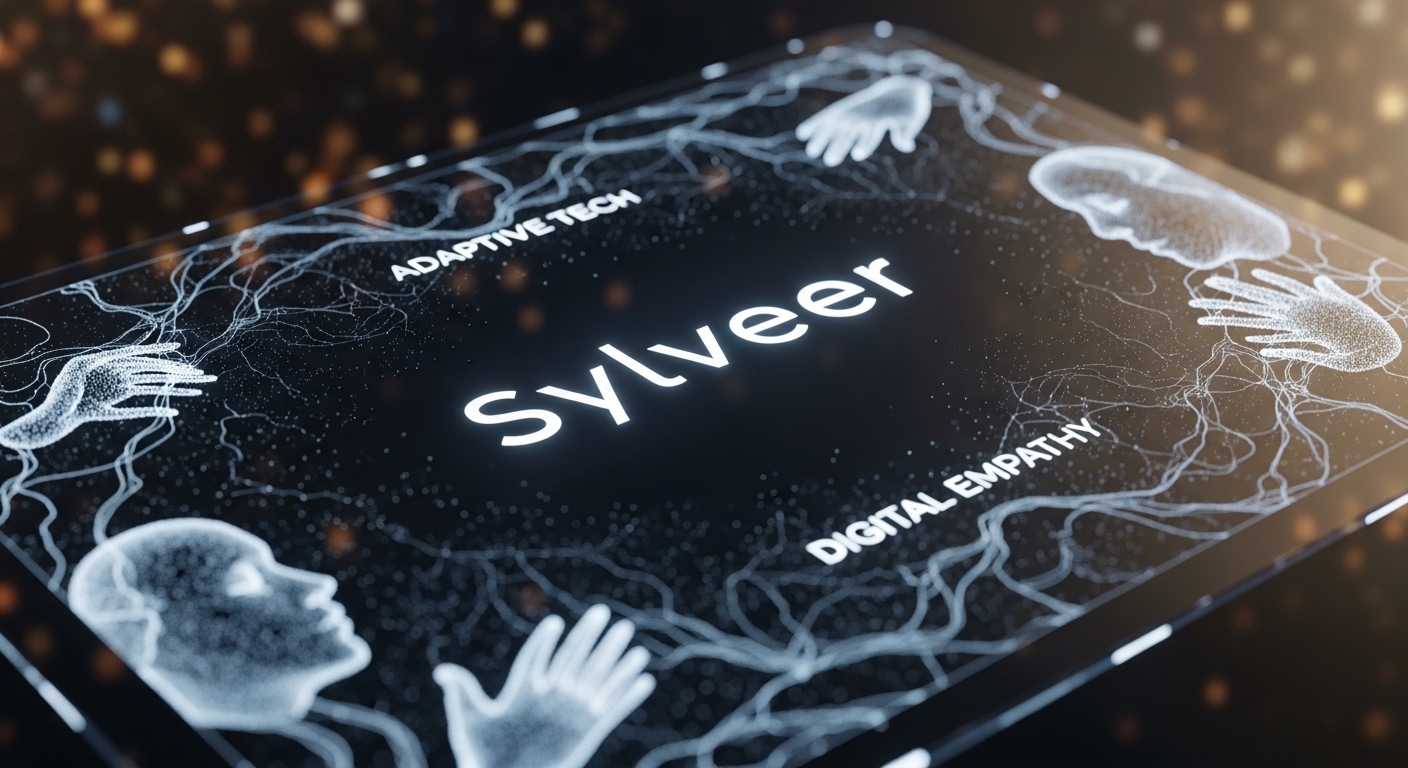
In a world driven by constant innovation, Sylveer is emerging as a concept that blends technology with emotional intelligence. More than just another tech trend, Sylveer represents a shift toward systems that understand, adapt, and respond to human needs in meaningful ways.
As digital experiences become more personalized, the demand for empathy-driven technology continues to grow. Sylveer sits at the intersection of artificial intelligence, user experience, and behavioral insight—reshaping how we interact with machines and, ultimately, each other.
What Is Sylveer and Why It Matters
At its core, Sylveer is not just a product or a platform—it’s a philosophy. It focuses on creating adaptive technologies that respond to user emotions, preferences, and behaviors in real time.
Unlike traditional systems that rely on static programming, based solutions evolve. They learn from interactions, refine responses, and deliver experiences that feel intuitive rather than mechanical.
This matters because modern users expect more than functionality. They want technology that feels human, supportive, and responsive. Sylveer answers that expectation by introducing digital empathy into everyday tools.
How Sylveer Is Redefining Adaptive Technology
From Automation to Personalization
The evolution from basic automation to intelligent personalization marks a significant leap. Sylveer driven systems don’t just perform tasks—they anticipate needs.
For example, imagine a learning platform that adjusts its teaching style based on a student’s mood or engagement level. Or a healthcare app that detects stress patterns and offers calming interventions before the user even realizes they need it.
This level of adaptability transforms user experience from reactive to proactive.
Real-Time Behavioral Insights
One of Sylveer’s strongest pillars is its ability to process real-time data. By analyzing user behavior, tone, and interaction patterns, systems can make immediate adjustments.
This capability is already influencing industries like:
- Customer support (emotion-aware chatbots)
- E-commerce (dynamic product recommendations)
- Mental health tech (AI-driven wellness tracking)
The result is a more seamless and personalized digital environment.
The Role of Digital Empathy in Sylveer
Understanding Human Emotions
Digital empathy is the ability of technology to recognize and respond to human emotions. Sylveer integrates this concept into its foundation.
Instead of treating users as data points, Sylveer systems consider context—tone of voice, usage patterns, and even hesitation in interactions.
For instance, if a user struggles repeatedly with a task, a powered interface might simplify the process or offer guided assistance without being asked.
Building Trust Through Experience
Trust is a critical factor in user engagement. When technology feels understanding and responsive, users are more likely to rely on it.
Sylveer enhances trust by:
- Reducing friction in interactions
- Providing relevant and timely support
- Adapting without overwhelming the user
This creates a relationship where technology feels less like a tool and more like a companion.
Real-World Applications of Sylveer
The practical impact of Sylveer can already be seen across multiple sectors. Below is a breakdown of how different industries are adopting its principles:
| Industry | Application of Sylveer | Impact on Users |
|---|---|---|
| Healthcare | Emotion-aware health monitoring apps | Better mental and physical well-being |
| Education | Adaptive learning platforms | Improved engagement and retention |
| E-commerce | Personalized shopping experiences | Higher satisfaction and conversion rates |
| Customer Support | AI chatbots with emotional intelligence | Faster and more empathetic resolutions |
| Workplace Tools | Smart productivity assistants | Reduced burnout and better efficiency |
These examples highlight how Sylveer is not limited to a single domain. Its flexibility allows it to enhance any system that involves human interaction.
Benefits of Embracing Sylveer Technology
Enhanced User Experience
Sylveer elevates user experience by making interactions smoother and more intuitive. Users don’t need to adjust to the system—the system adjusts to them.
Increased Engagement
When technology feels personal, users are more likely to stay engaged. Syleer creates a sense of connection that keeps users coming back.
Data-Driven Decision Making
By continuously analyzing behavior, Sylveer systems provide valuable insights. Businesses can use this data to refine strategies and improve outcomes.
Reduced Cognitive Load
Adaptive interfaces minimize the effort required to complete tasks. This reduces stress and makes digital interactions more enjoyable.
Challenges and Ethical Considerations of Sylveer
While Sylveer offers exciting possibilities, it also raises important questions.
Privacy Concerns
To function effectively, Sylveer relies on user data. This makes data privacy a critical issue. Companies must ensure transparency and secure data handling practices.
Over-Reliance on Technology
As systems become more adaptive, there’s a risk of users becoming overly dependent on them. Maintaining a balance between assistance and autonomy is essential.
Bias in Algorithms
If not properly managed, adaptive systems can reinforce existing biases. Continuous monitoring and ethical AI practices are necessary to prevent this.
How Businesses Can Leverage Sylveer Effectively
For organizations looking to adopt Sylveer principles, the approach should be strategic.
Start by understanding your users deeply. Behavioral data, feedback, and interaction patterns are key to building adaptive systems. Next, focus on simplicity. While involves complex technology, the end experience should feel effortless.
Finally, prioritize transparency. Let users know how their data is being used and give them control over their experience. Businesses that successfully integrate Sylveer can differentiate themselves in a crowded digital landscape.
The Future of Sylveer and Digital Interaction
Looking ahead, Sylveer is likely to become a standard rather than an exception. As artificial intelligence continues to evolve, the integration of emotional intelligence will define the next generation of digital products.
We can expect to see:
- More human-like virtual assistants
- Emotion-sensitive smart devices
- Hyper-personalized digital ecosystems
This evolution will blur the line between human and machine interaction, creating experiences that feel natural and intuitive.
Conclusion
Sylveer represents a powerful shift in how we think about technology. By combining adaptability with empathy, it transforms digital tools into meaningful experiences.
In a world where users are overwhelmed by information and choices, Sylveer offers clarity, connection, and simplicity. It’s not just about smarter systems—it’s about more human ones. As industries continue to adopt this approach, the influence of will only grow. For businesses and users alike, embracing this change is not just an opportunity—it’s a necessity.