
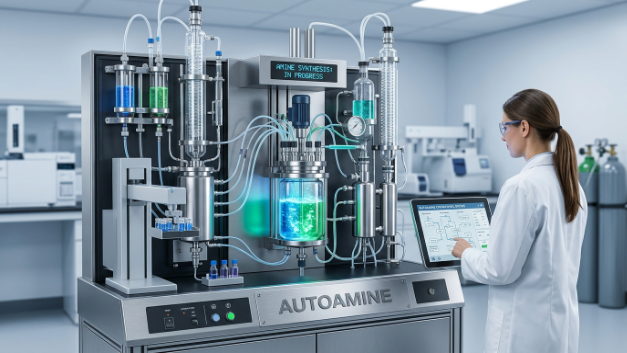
In recent years, the concept of “Autoamina” has gained attention in discussions related to health, biology, and the functioning of the human body. Although the term itself is not widely standardized in scientific literature, it can be understood as a combination of “auto” (self) and “amine” (organic compounds derived from ammonia that play important roles in biological systems). In this sense, Autoamina may refer to naturally produced amines within the body that regulate various physiological functions, including mood, metabolism, and immune responses.
Understanding the idea of Autoamina is important because it highlights how the human body maintains balance through internal chemical processes. These naturally occurring compounds are essential for communication between cells and for maintaining overall well-being.
Understanding Amines in the Human Body
Amines are organic compounds that contain nitrogen and are derived from ammonia. In the human body, they play a vital role in many biological processes. Some of the most well-known amines include neurotransmitters such as dopamine, serotonin, and histamine.
These substances act as chemical messengers, transmitting signals between nerve cells and influencing a wide range of functions such as mood, sleep, digestion, and immune responses. Without these amines, the body would not be able to function properly.
When we relate this concept to Autoamina, it emphasizes the body’s ability to produce these compounds on its own. This self-production is essential for maintaining internal balance, also known as homeostasis.
Role of Autoamina in the Nervous System
One of the most important roles of Autoamina is in the nervous system. Amines such as dopamine and serotonin are crucial for brain function. They regulate mood, emotions, and cognitive abilities.
For example, dopamine is associated with pleasure, motivation, and reward. Serotonin, on the other hand, plays a key role in regulating mood, sleep, and appetite. A proper balance of these amines is necessary for mental well-being.
If the levels of these substances become imbalanced, it can lead to mental health issues such as anxiety and depression. This shows how important Autoamina is for maintaining psychological stability.
Autoamina and the Immune System
Autoamina also plays a role in the immune system. Histamine, a type of amine, is involved in the body’s response to allergens and infections. It helps the body detect and respond to harmful substances.
When the body encounters an allergen, histamine is released, causing symptoms such as itching, swelling, and redness. While this response can be uncomfortable, it is an important defense mechanism.
This highlights the role of Autoamina in protecting the body and maintaining health. It shows that these naturally produced compounds are not only important for communication but also for defense.
Importance in Metabolism
Another important function of Autoamina is in metabolism. Amines are involved in the breakdown and utilization of nutrients. They help regulate processes such as energy production and the synthesis of important molecules.
For instance, certain amines are involved in the metabolism of proteins and amino acids. They ensure that the body can efficiently use the nutrients obtained from food.
This role is essential for maintaining energy levels and overall health. Without proper metabolic function, the body would not be able to sustain its activities.
Autoamina and Hormonal Balance
Autoamina is also closely related to hormonal balance. Many hormones in the body are derived from or influenced by amines. These hormones regulate various bodily functions, including growth, reproduction, and stress responses.
For example, adrenaline (epinephrine) is an amine that plays a key role in the body’s “fight or flight” response. It prepares the body to respond to stressful situations by increasing heart rate and energy availability.
This shows how Autoamina contributes to the body’s ability to adapt to different situations and maintain stability.
Factors Affecting Autoamina Levels
Several factors can influence the levels of amines in the body. These include diet, lifestyle, stress, and overall health.
Diet plays a significant role because certain nutrients are required for the production of amines. For example, amino acids obtained from proteins are the building blocks for these compounds.
Stress can also affect Autoamina levels. Chronic stress may disrupt the balance of neurotransmitters, leading to various health issues. Similarly, lack of sleep and poor lifestyle habits can negatively impact the body’s ability to produce and regulate these substances.
Maintaining Healthy Autoamina Levels
Maintaining a healthy balance of Autoamina is essential for overall well-being. This can be achieved through a balanced diet, regular exercise, adequate sleep, and stress management.
A diet rich in proteins, vitamins, and minerals supports the production of amines. Foods such as fruits, vegetables, whole grains, and lean proteins are beneficial.
Exercise helps regulate neurotransmitter levels and improves mood. It also enhances overall physical health. Proper sleep is equally important, as it allows the body to repair and maintain its internal systems.
Stress management techniques such as meditation, relaxation, and mindfulness can also help maintain balance.
Challenges and Misconceptions
One of the main challenges related to Autoamina is the lack of clear understanding of the term. Since it is not a widely recognized scientific term, it can lead to confusion.
Some people may associate it with specific medical conditions or treatments, but it is important to understand that it broadly refers to natural processes within the body.
Another misconception is that increasing amine levels artificially will always improve health. In reality, balance is key. Both excessive and insufficient levels can cause problems.
Future Perspectives
As research in biology and medicine continues to advance, the understanding of compounds like amines will become more detailed. Scientists are exploring how these substances can be used to treat various conditions, including mental health disorders and immune-related diseases.
The concept of Autoamina may evolve as new discoveries are made. It could become more clearly defined and widely accepted in scientific discussions.
This ongoing research highlights the importance of understanding the body’s natural processes and finding ways to support them.
Conclusion
Autoamina, understood as the body’s natural production and regulation of amines, plays a vital role in maintaining health and well-being. These compounds are involved in essential processes such as communication within the nervous system, immune responses, metabolism, and hormonal balance.
Despite the lack of a standardized definition, the concept emphasizes the importance of internal balance and the body’s ability to regulate itself. By maintaining a healthy lifestyle and understanding these processes, individuals can support their overall health.