
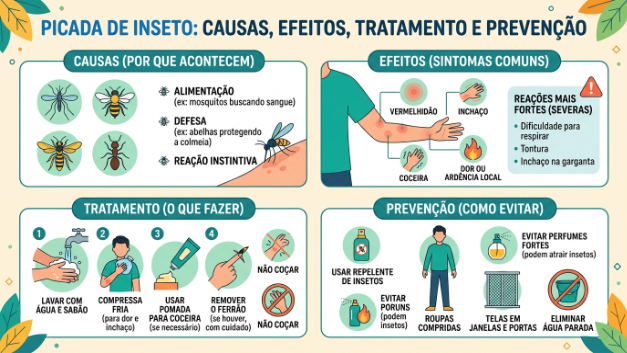
A “piçada” (commonly understood as an insect bite or sting) is a frequent and often unavoidable part of human life, especially in warm climates and outdoor environments. Whether it is a mosquito bite, a bee sting, or an ant bite, these small interactions with insects can range from mildly irritating to potentially dangerous. While most insect bites are harmless and heal on their own, some can cause allergic reactions, infections, or transmit serious diseases.
Understanding the causes, symptoms, treatment, and prevention of insect bites is essential for maintaining health and comfort. This article provides a comprehensive overview of piçada, helping readers recognize and manage different types of insect bites effectively.
What is a Piçada?
A piçada refers to the reaction that occurs when an insect bites or stings the skin. Insects may bite to feed on blood (such as mosquitoes) or sting as a defense mechanism (such as bees and wasps). During this process, insects often inject saliva or venom into the skin, which causes a reaction.
The body’s immune system responds to these foreign substances, resulting in symptoms such as redness, swelling, itching, or pain. The severity of the reaction depends on the type of insect and the individual’s sensitivity.
Common Types of Insect Bites and Stings
1. Mosquito Bites
Mosquitoes are among the most common biting insects. Their bites usually appear as small, itchy, red bumps on the skin. While generally harmless, mosquitoes can transmit diseases such as malaria and dengue fever.
2. Bee Stings
Bees sting as a defense mechanism. A bee sting causes immediate pain, swelling, and redness. In some cases, the stinger remains in the skin and should be removed carefully.
3. Wasp and Hornet Stings
Unlike bees, wasps and hornets can sting multiple times. Their stings are often more painful and may cause significant swelling.
4. Ant Bites
Certain ants, such as fire ants, can bite and sting at the same time. Their bites may result in painful, itchy pustules.
5. Spider Bites
Most spider bites are harmless, but some species can cause serious symptoms such as muscle pain, fever, or difficulty breathing.
6. Flea and Bedbug Bites
These insects often bite in clusters or lines, causing itchy red spots. Bedbug bites are commonly found after sleeping.
Symptoms of a Piçada
The symptoms of an insect bite vary depending on the insect and the person’s reaction. Common symptoms include:
- Redness around the bite area
- Swelling
- Itching
- Pain or burning sensation
- Small bumps or blisters
In more severe cases, symptoms may include:
- Severe swelling
- Difficulty breathing
- Dizziness or fainting
- Rapid heartbeat
- Nausea or vomiting
These severe symptoms may indicate an allergic reaction and require immediate medical attention.
Allergic Reactions to Insect Bites
Some individuals are highly sensitive to insect venom or saliva and may develop allergic reactions. These reactions can be mild or severe.
Mild Allergic Reaction
- Localized swelling and redness
- Increased itching
Severe Allergic Reaction (Anaphylaxis)
- Swelling of the face, lips, or throat
- Difficulty breathing
- Drop in blood pressure
- Loss of consciousness
Anaphylaxis is a medical emergency and requires immediate treatment, often with an epinephrine injection.
Diseases Caused by Insect Bites
Insect bites are not only uncomfortable but can also transmit serious diseases, especially in tropical regions.
1. Malaria
Spread by infected mosquitoes, malaria causes fever, chills, and fatigue.
2. Dengue Fever
Dengue leads to high fever, severe headaches, and joint pain.
3. Zika Virus
Zika can cause mild symptoms but is dangerous for pregnant women.
4. Lyme Disease
Transmitted by ticks, Lyme disease causes a rash and flu-like symptoms.
5. Chikungunya
This disease causes fever and severe joint pain.
Understanding these risks highlights the importance of preventing insect bites.
Treatment of a Piçada
Most insect bites can be treated at home using simple remedies.
1. Basic First Aid
- Wash the affected area with soap and water
- Apply a cold compress to reduce swelling
- Avoid scratching to prevent infection
2. Medications
- Antihistamines for itching
- Pain relievers for discomfort
- Topical creams to reduce inflammation
3. Removing Stingers
If stung by a bee, gently remove the stinger using a flat object like a card. Avoid squeezing it, as this can release more venom.
4. When to See a Doctor
Seek medical help if:
- Symptoms worsen
- There are signs of infection (pus, fever)
- An allergic reaction occurs
Home Remedies for Relief
Many natural remedies can help soothe insect bites:
- Aloe vera: Reduces inflammation and soothes the skin
- Honey: Has antibacterial properties
- Baking soda paste: Relieves itching
- Ice packs: Reduce swelling and numb pain
While these remedies can be effective, they should not replace medical treatment in severe cases.
Prevention of Insect Bites
Preventing insect bites is the best way to avoid discomfort and disease.
1. Use Insect Repellents
Apply repellents containing safe and effective ingredients to exposed skin.
2. Wear Protective Clothing
Long sleeves, pants, and socks reduce skin exposure.
3. Avoid Peak Insect Activity Times
Mosquitoes are most active during dawn and dusk.
4. Keep Surroundings Clean
Eliminate standing water where mosquitoes breed.
5. Use Bed Nets
Sleeping under nets provides protection, especially in areas with high mosquito populations.
Impact of Climate and Environment
Climate plays a major role in insect activity. Warm and humid environments encourage the growth and reproduction of insects. Urbanization and deforestation can also increase human exposure to insect habitats.
Climate change is further influencing the spread of insect-borne diseases, making awareness and prevention more important than ever.
Psychological and Social Effects
While often overlooked, insect bites can also have psychological effects. Persistent itching and discomfort can disrupt sleep and daily activities. In some cases, visible bites may affect a person’s confidence, especially if they appear on exposed parts of the body.
Additionally, fear of insects (entomophobia) can cause anxiety and limit outdoor activities.
Conclusion
A piçada, or insect bite/sting, is a common yet important health concern that should not be ignored. While most bites are harmless and easy to treat, some can lead to severe allergic reactions or transmit dangerous diseases. Understanding the causes, recognizing symptoms, and applying proper treatment can help manage insect bites effectively.
Prevention remains the most powerful strategy. By taking simple precautions such as using repellents, wearing protective clothing, and maintaining a clean environment, individuals can significantly reduce their risk of insect bites.
In today’s changing world, where environmental factors are increasing insect populations and disease transmission, awareness about piçada is more crucial than ever. With proper knowledge and care, we can protect ourselves and ensure a healthier, safer life.